One of the best things about design thinking is that it benefits everyone across the organization. I’ve had the opportunity to run some workshops and talks for new employees and non-designers to help them understand the design process, how to apply design thinking to their own work, and what it means to be user-centric. This work helps creative problem solving across the organization, improves how IC designers interact with their teams, and helps demystify some of design’s invisibility (something a good design manager should be doing).
One of my favorite practices at TPT was the heads of each department would host a monthly session for new employees known as, in my case, Anatomy of Design. I tag-teamed this presentation with the head of User Research to explain what our respective departments did in the org, who the faces were, and to go a little deeper into what design and research means.
“We are artisans, not artists. We design products that solve problems, not art that hangs on museum walls”
—Dan Lacivita, Firstborn Media
Brand Design
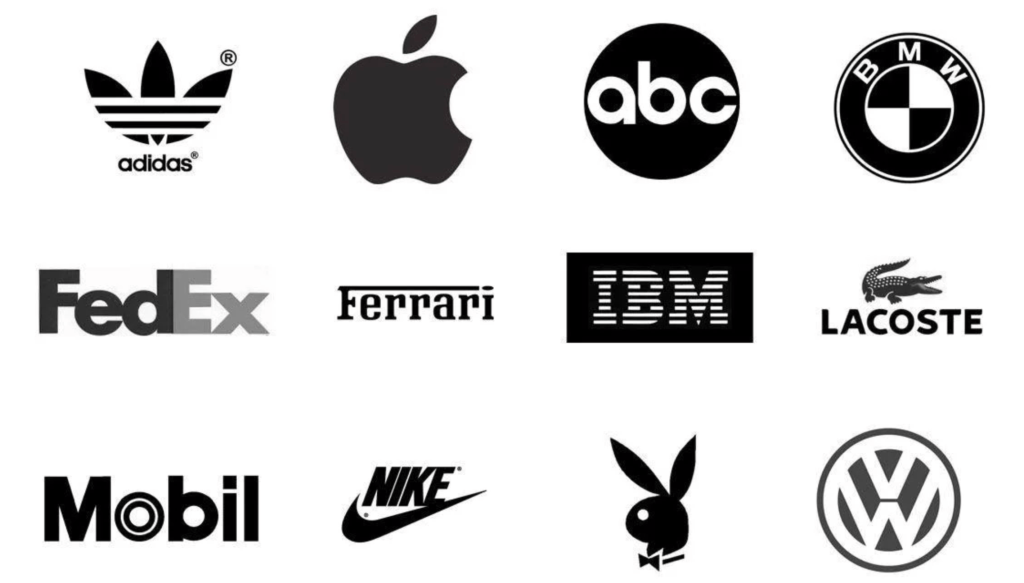
We started with high level brand design: what branding is, and how to think about it beyond just logo, colors, etc. This was a great opportunity to have people think about other brands they know and understand that, at its core, branding is about connecting with people who see themselves in your brand values. Each of the following brands brings up a feeling, a memory, or an ideal.
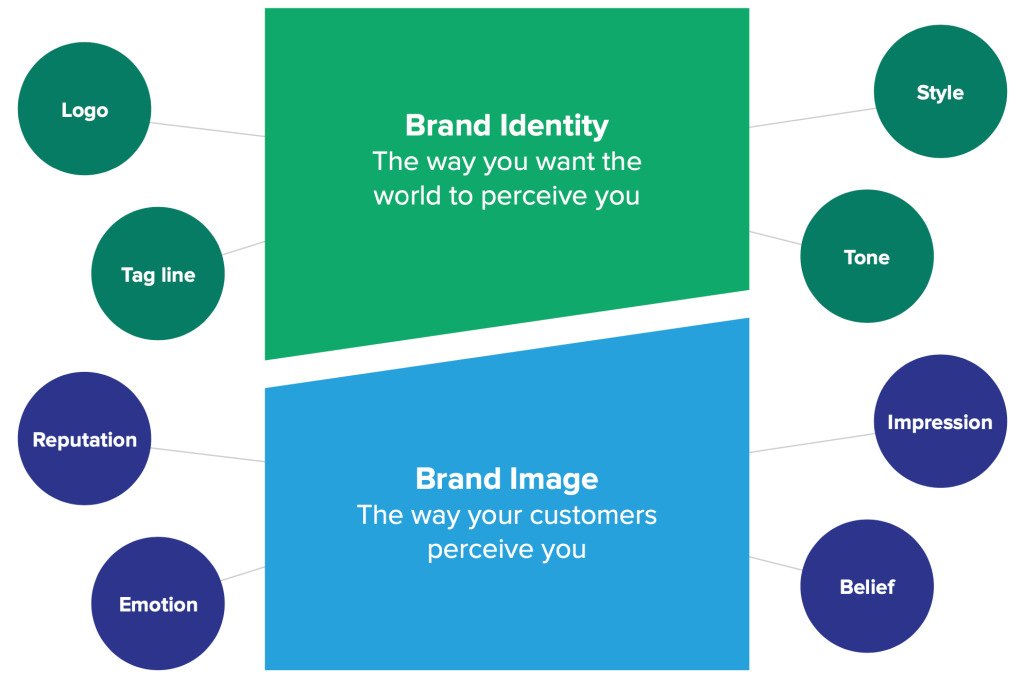
After that, it’s important to communicate the difference between the brand elements you control and the brand perception in the minds of users. I have been lucky to work for mission-driven brands that have a very positive sentiment with users. For an employee joining the team, this is an opportunity to share some user testimonials, stats, and other data to get them up to speed on the impact of the org with its users.
Product Design
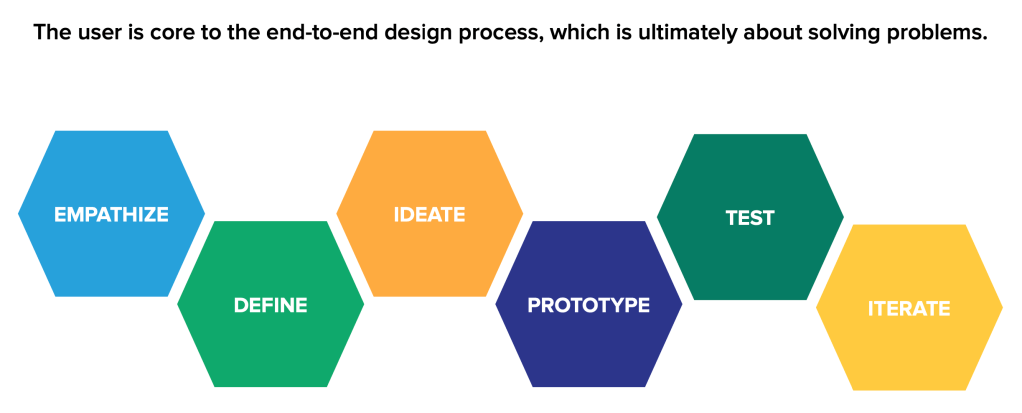
Product design is a bit harder to pin down. After introducing the team and who owns what surfaces of the business I did my best to illustrate what product design does and how design thinking works.

A key window into the design process is how a designer arrives at a solution. In addition to helping individual designers show their work, as a design leader it’s important to teach this process to others. It shows that there’s real work influenced by data, research, testing, and iteration. Designs don’t just simply arrive fully formed.
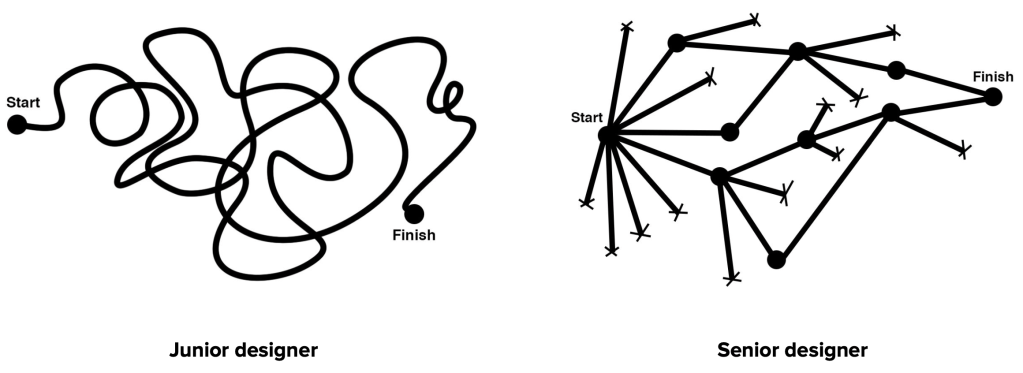
Designing a wallet
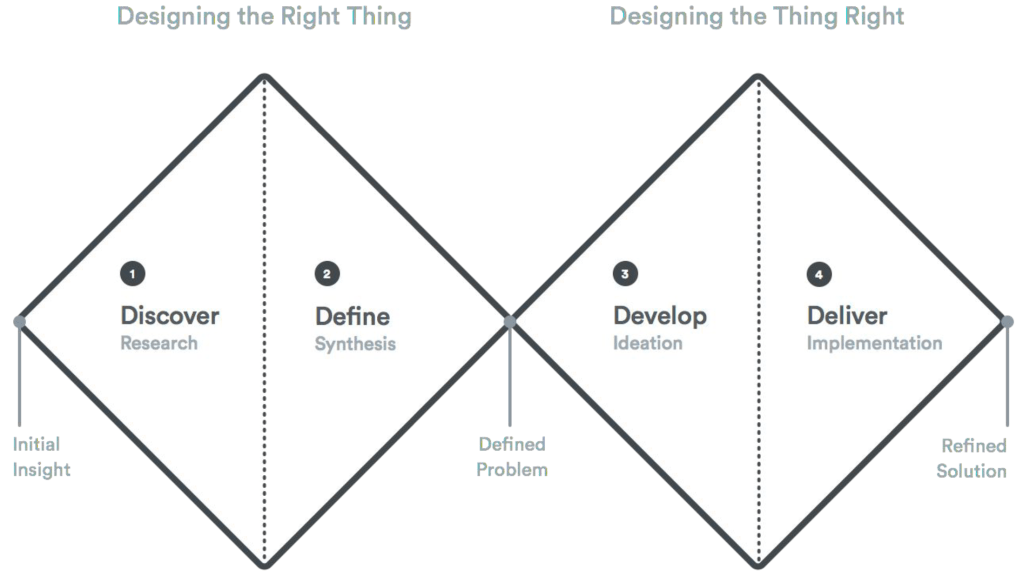
I got this exercise from the former head of design at Intuit. It’s the best way I’ve seen to walk someone through product and design based thinking where you discover a problem through research then use the double diamond method to formulate a solution.
Design Sprints
I try not to run design sprints. Ideally, another designer or, better yet, a product manager or engineer runs them. Why? Because I think running one is an even better way to internalize design thinking than just participating. That being said, I’m very happy to run them if needed.
My favorite tool for this is TK or FigJam. Some kind of virtual white board where everyone can contribute easily. Good setup and a bit of pre-work makes the session the most efficient but keeping it as a digital asset means we can return to it, add more, follow up, etc very easily. There’s many different flavors of design sprints I’ve been a part of. I don’t show too many here to protect the IP of the orgs. I’m happy to show more any time.
Want to hear more?
I’d love to do a demo of any of these talks and exercises for you and your teams. Schedule a chat for more information or to discuss opportunities.


You must be logged in to post a comment.